
 by
by 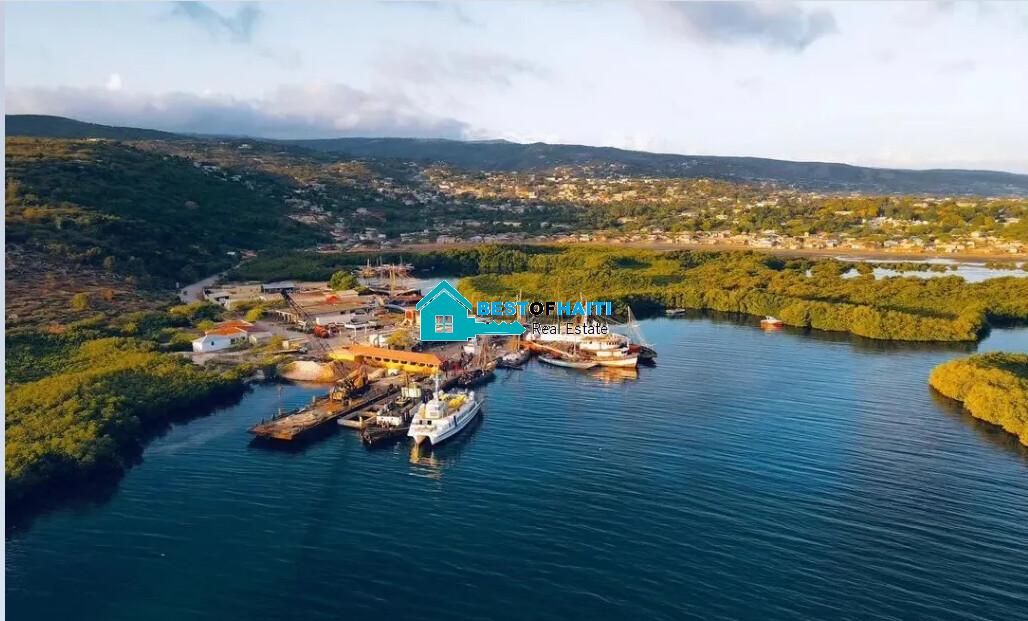
Gonâve Island (English) — also called La Gonâve (French) and Zile Lagonav (Haitian Creole) — is the largest island belonging to Haiti and sits in the middle of the Gulf of Gonâve, northwest of Port-au-Prince. The island is about 60 km (37 miles) long and widely known for its rugged hills, fishing villages, dry limestone landscape, and strong local culture.
Gonâve Island : Quick facts
- Area: roughly 690–740 km²
- Population: estimated around 87,000–100,000 people
- Main towns:
- Anse-à-Galets
- Pointe-à-Raquette
- Highest point: Morne La Pierre (about 778 m / 2,552 ft)
- Access: mainly by boat from mainland Haiti, with limited small-aircraft access
RELATED: Haiti REAL ESTATE market Trends | Why The POPULAR ISLAND’s Property Market Is Turning Heads
Geography and environment
The island mostly made of limestone and has a dry climate compared with much of mainland Haiti. Water scarcity has long been one of its biggest challenges. Despite widespread deforestation, La Gonâve still contains unique ecosystems and several species found nowhere else.
Gonâve Island : Culture and daily life
Life on the island is centered around:
- fishing
- small-scale farming
- charcoal production
- local trade
Travel between communities is often by motorcycle, donkey, or foot because roads outside the main towns are rough. Residents are known for strong community ties and distinctive island traditions.
Historical significance
La Gonâve has a unique place in Haitian history and folklore. During the early 20th century, American adventurer Faustin E. Wirkus became famous for being symbolically crowned “King of La Gonâve” by local communities, blending Haitian Vodou traditions with local politics.
Challenges today
The island faces ongoing difficulties including:
- limited infrastructure
- shortages of fresh water
- healthcare access issues
- economic isolation
At the same time, many Haitians and visitors describe La Gonâve as peaceful, scenic, and culturally rich compared with more urbanized parts of the country. Visit our YouTube channel for visuals.


Join The Discussion