
 by
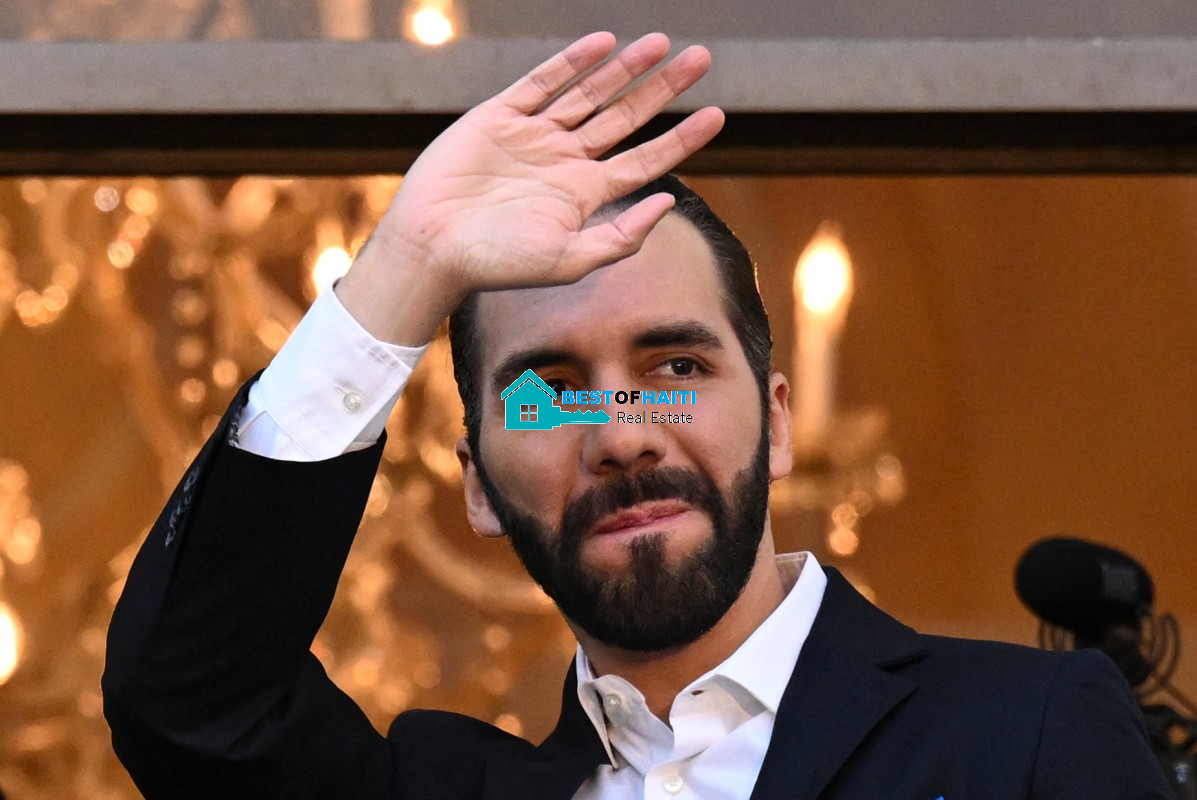
Who Is Nayib Bukele?
Nayib Bukele is El Salvador’s president. A former businessman turned politician, he’s known worldwide for his hard-line campaign against criminal gangs, his savvy use of social media, and a governing style that has drawn plenty of controversy. worldwide for his hard-line campaign against criminal gangs, his savvy use of social media, and a governing style
1. Who Is Nayib Bukele? Basic Background (Autobiography)
Full name: Nayib Armando Bukele Ortez
Born: July 24, 1981
Birthplace: San Salvador, El Salvador
Nationality: Salvadoran
Political party: Nuevas Ideas
President since: June 1, 2019
Re-elected: February 2024 (El Salvador’s constitution was changed to accommodate Bukele’s re-election)
Before becoming president, Bukele spent six years as mayor—first of Nuevo Cuscatlán (2012–2015), then San Salvador (2015–2018).
2. Why is Nayib Bukele Famous?
Three things have shaped how the world sees him.
A. His war against gangs
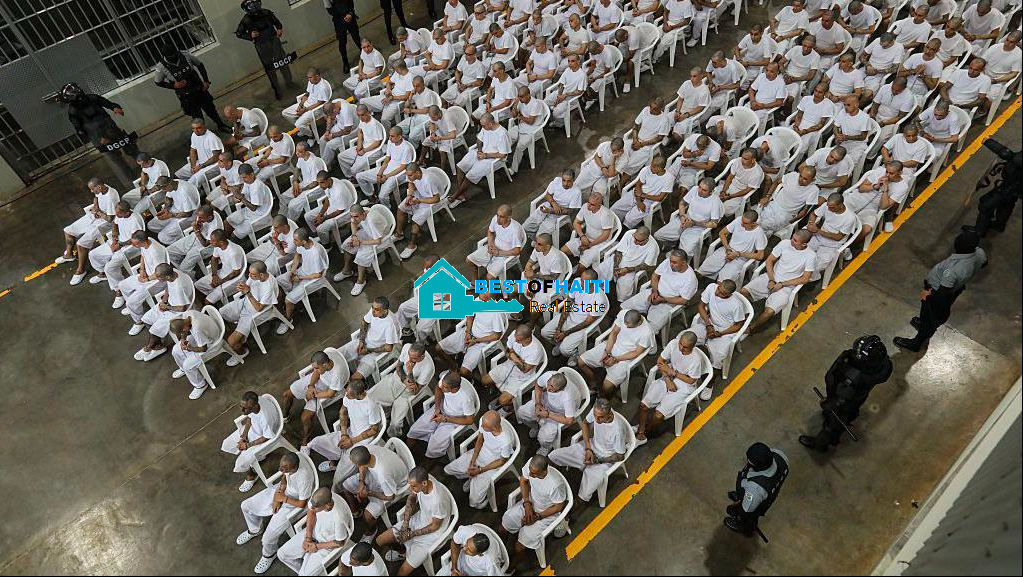
For years, powerful gangs—especially MS-13 and Barrio 18—held a strong grip on life in El Salvador.
In March 2022, Bukele declared a state of emergency and began a sweeping crackdown.
His government responded by:
- Arresting tens of thousands of people suspected of gang ties.
- Expanding police and military operations.
- Building a huge prison known as CECOT.
- And sharply reducing gang-related violence and homicides.
But human rights organizations have also raised serious concerns, including arbitrary arrests, allegations of torture, deaths in custody, and violations of due process.
ALSO READ: Living in Haiti: Pros & Cons for Expats in 2027 | Explores the Benefits and Challenges
B. Why he’s popular
Many Salvadorans support Bukele because they credit his security policies with making their streets safer and reducing gang violence.
He also relies heavily on social media, speaking directly to citizens and promoting his policies there.
C. Why his leadership is controversial
His presidency has also sparked concern about the health of El Salvador’s democratic institutions.
Critics say they’re concerned about:
- Power becoming increasingly concentrated in the presidency.
- Pressure on independent journalists.
- The weakening of checks and balances between government institutions.
- Changes to the constitution that allow a president to serve an unlimited number of terms.
In 2025, El Salvador’s legislature approved constitutional changes that removed presidential term limits.
3. Why do people compare him to dictators?
This is one of the biggest debates surrounding Bukele.
| His supporters say | His critics say |
|---|---|
| He restored public security. | He undermines human rights. |
| He confronted powerful gangs. | Innocent people have been imprisoned. |
| He challenges traditional political elites. | He concentrates power in the presidency. |
| He has strong public support. | Democratic institutions are weakening. |
Whether to call him a “dictator” is debated. Still, human rights organizations have documented concerns about his government’s treatment of democratic institutions and civil liberties.
4. Why is he important internationally?
Bukele is now a major part of conversations about:
- Crime and public security.
- Immigration and deportation policies.
- Strong presidential leadership.
- Democracy and constitutional limits.
- Whether other countries in Latin America should follow a similar approach to security.
One question that naturally comes up is whether Bukele’s security approach could work in Haiti, where gangs also control large areas.
It’s a comparison worth exploring—but Haiti and El Salvador have very different political systems, security forces, and histories. Please subscribe to our YouTube channel for more valuable content.


Join The Discussion