
 by
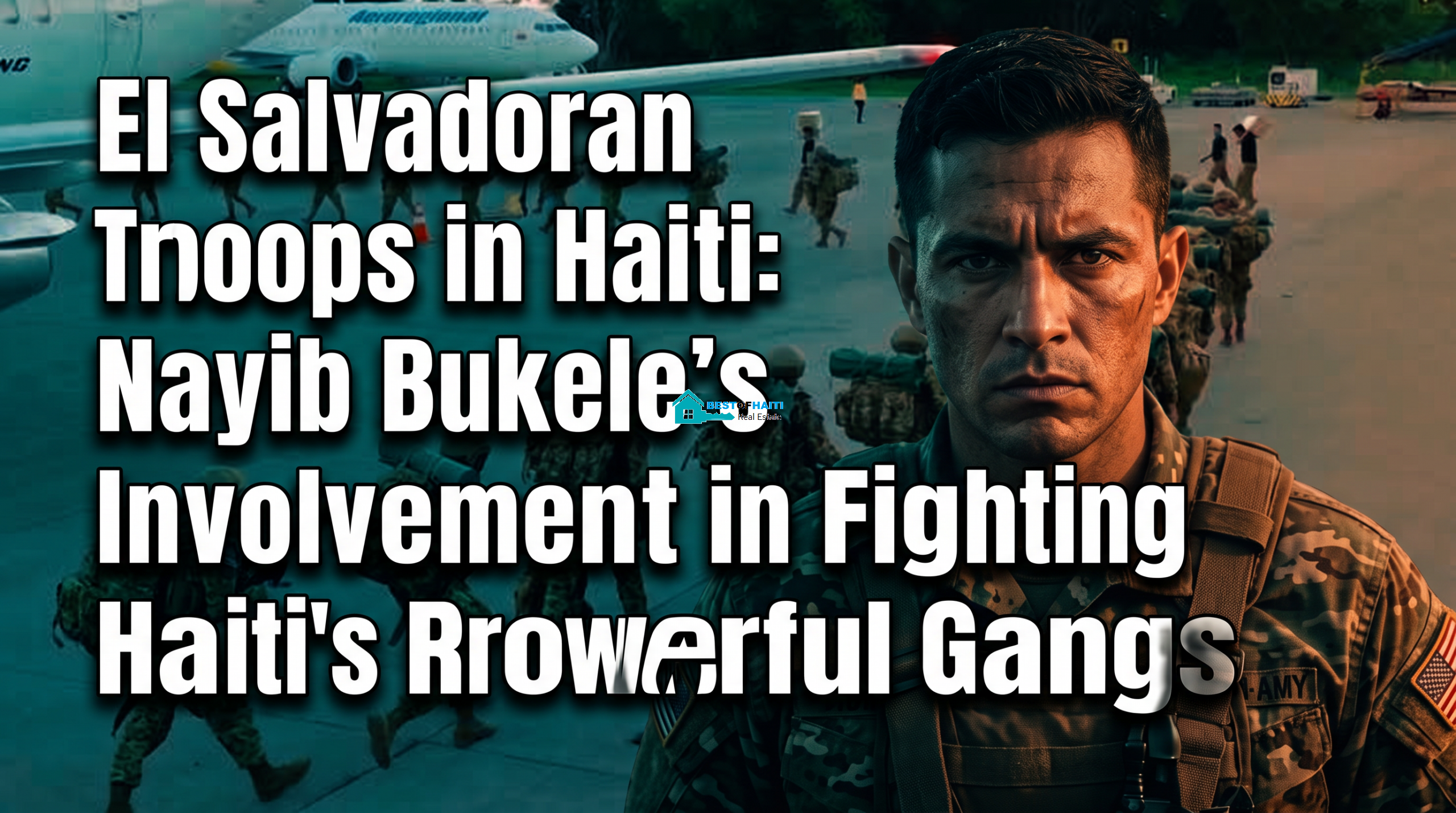
Salvadoran Troops in Haiti: Nayib Bukele went from offering Haiti advice to sending thousands of El Salvadoran troops to Port-au-Prince. Here’s how that shift unfolded.
Background (The Year 2024)
In March 2024, as gang violence surged, Bukele said he could “fix” Haiti’s crisis. He added that doing so would require permission from Haitian authorities and the UN Security Council, as well as the necessary resources.
Salvadoran Troops in Haiti: The 2026 deployment
- Trigger: Four Salvadoran military aviation technicians went missing after a gang ambush on October 18. Bukele then deployed 2,000 troops. The technicians were part of the UN-backed Gang Suppression Force (GSF).
- Stated purpose: Haitian and Salvadoran officials said the troops were there mainly to rescue the missing technicians. But some observers wonder whether the mission will stay that limited. The scale of the deployment has raised questions about whether it could grow into a broader, longer-term operation.
- Logistics: The U.S. provided C-130 transport planes to carry the troops.
- Operations: On November 11, Bukele said Salvadoran forces had destroyed the 400 Mawozo gang’s headquarters. Local reports said the Viv Ansanm gang coalition had forced La Plaine residents to protest the deployment, calling it an “invasion.”
- Messaging: Bukele posted a message in Haitian Creole, insisting his soldiers weren’t “invaders.” He has also said they’ll leave once the mission is complete.
Salvadoran Troops in Haiti: Supporters and critics
- Supporters: Dominican President Luis Abinader has backed Bukele, urging the UN-backed force to work with Salvadoran troops. Haitian human rights leader Pierre Esperance welcomed the swift deployment, saying he hoped it would help protect civilians from gang violence.
- Legal and accountability concerns: The UN said most Salvadoran troops aren’t covered by the GSF’s mandate or reporting system, and stressed that all operations must follow international law. The G7 voiced support for the GSF, even as the Salvadoran troop buildup prompted concern. Rights advocates are urging both governments to publish their deployment agreement and clarify when troops can use force—and who will oversee them.
- Fragmented response: One analyst described Haiti’s security response as five separate groups, all working without a shared plan: the Haitian police, the army, the GSF, a task force working with Erik Prince’s Vectus Global, and now Salvadoran troops.
- Reprisal fears: A 400 Mawozo leader asked the UN to mediate, warning that Salvadoran operations could lead to even more violence.
- Haitian government: The two countries say they’re strengthening cooperation through the GSF. But experts are still asking what role the troops are actually playing.
The situation is still unfolding, so details may change—including troop numbers, which have been reported as 1,000, 2,000, or 2,500, and the identity of the commander. Watch the video on our YouTube channel here.


Join The Discussion