
 by
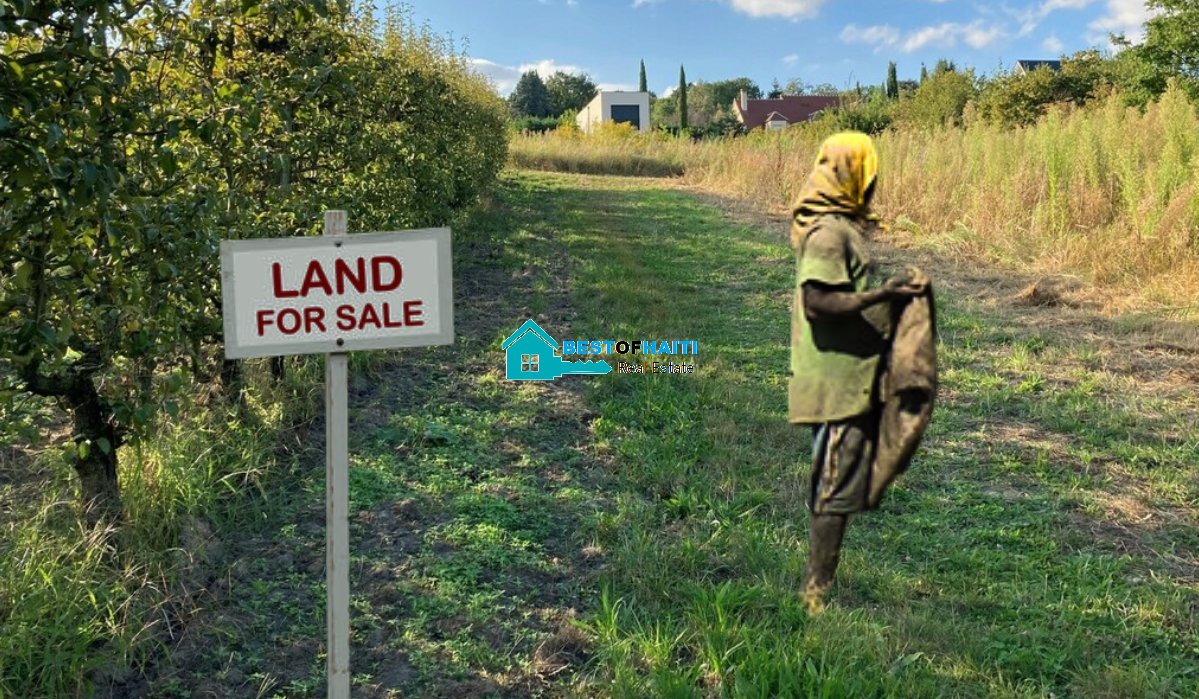
Property titles verification in Haiti: Haiti doesn’t have a reliable national land registry, so checking a property title isn’t as simple as looking it up in one official database. Instead, you’ll need to trace the property’s history through records and work with qualified local professionals. This is general information, not legal advice. If you’re buying property in Haiti, hire a licensed notary.
Property Titles Verification in Haiti: Why Verification is Hard
Haiti has no reliable national land registry, and ownership records can be incomplete. One estimate suggests that roughly a third of land has no property title. Deeds are recorded by hand and filed by date at the DGI (Direction Générale des Impôts), making them difficult to find and verify. The 2010 earthquake added to the problem: the DGI building collapsed, destroying the property records it held, and some notary offices lost archives to looting.
Some sellers don’t have a valid title to the land they’re offering. The Haiti Property Law Working Group warns that, in some cases, the person selling a property may not legally own it.
Verifying Property Titles in Haiti: The Key Players
- Notary (Notaire): the key people involved. With no reliable land registry to check, notaries and surveyors do their best to verify property details and confirm ownership using the records and information they can access.
- Surveyor (arpenteur): measures the land and records its boundaries. After finishing the survey, they file the survey deed with the DGI and send a copy to the notary.
- DGI land registry (Direction Générale des Impôts): where property deeds are officially recorded. The Working Group’s manual says a deed must be registered at the DGI office serving the area where the property is located, then transcribed at the Office of Land Registry and Mortgages attached to the local Civil Tribunal.
- ONACA (Office National du Cadastre): ONACA was created in 1984 to build a national land registry. But a 2010 OAS mission found no official legal link between ONACA and the DGI.
What Verification Entails
- Engage a notary early. Experts recommend speaking with a notary (a certified real estate lawyer) as soon as you find a property you’re interested in. Hold off on paying until you’ve gotten their guidance.
- Trace the chain of title. The notary looks into the property’s history, checking transactions going back at least 20 years. If there aren’t enough records to do that, they may decide not to handle the case.
- Check the survey. Before preparing the bill of sale, the notary checks the surveyor’s work and makes sure the title documents are in order.
- Sign and register. The seller gives the title documents to the notary, and both parties sign the bill of sale. The notary then registers it with the land conservation office, with the buyer covering the cost.
Things to Watch Out For
- Buying or selling through a private deed can be risky. Buying or selling land without a notary is common, but it can be risky. An informal sale can leave the property’s ownership unclear or out of step with the existing title.
- Registration order matters. If more than one person has an authentic deed for the same property, the person whose deed is registered and transcribed first at the DGI is recognized as the legal owner. That’s why it’s important to register the deed promptly.
- Records can be unreliable. One lawyer quoted by AyiboPost said the biggest threat to secure land ownership may come from within the DGI. That means even a clean registry check can’t guarantee a safe transaction; fraud can still happen.
- Notaries are accountable. If a notary makes a mistake while checking the documents, they could be required to refund the seller and may even face jail time. Before you hire one, make sure they’re licensed and in good standing.
A Practical Checklist
- Ask the notary to check the records directly with the DGI, rather than relying only on photocopies.
- Make sure the notary checks the records directly with the DGI instead of relying only on photocopies.
- Walk the property lines with the surveyor and check who is actually living on or using the land.
- Check that there are no mortgages, liens, or other claims recorded against the property.
- Make payments through the notary, and register the deed as soon as it’s signed.
Procedures and fees can change, and the Working Group’s manual was published in 2012. Check with your notary and the DGI to confirm the latest requirements. If you’re writing an article, I can also help shape it for a general audience or explore topics like inheritance, State land, and rural customary land rights. Watch the video on our YouTube channel here.


Join The Discussion